Copyright Comic Characters doesn’t happen by accident. As an indie creator, protecting your Original Characters and comic universe means you must understand how intellectual property works, where it stops, and when you need a trademark on top of your existing rights.
The good news is that most of the core protection is automatic once you treat your work seriously. Just like debating the real-world legal consequences of vigilantes like asking is batman a vigilante or hero legal reality, understanding the true legal framework separates professional creators from amateurs. Let us dive into the essential process to lock down your creations and keep your original universe completely safe from intellectual theft.
The Core Legal Process to Copyright Comic Characters

Before you start filling out government forms, you need to understand the fundamental rule of IP law which states that the law protects the expression of an idea rather than the raw concepts themselves. Here are the five direct steps you need to take.
Step 1 Fix Your Character in a Tangible Work
You cannot protect a vague idea floating in your head. For a character to be protected, it must be fixed in a tangible medium. This means drawing actual comic panels, finishing a complete script, or creating detailed character sheets that outline their specific design and backstory. Characters are best protected when they appear in a registrable and completed work.
Step 2 Officially Register the Work Around Your Character
While you automatically hold the rights the moment you draw your character, proving it in court is an entirely different story. You generally do not register the character by itself. Instead, you officially register the comic book or the compiled artwork that includes the character. Registration via a national copyright office gives you stronger legal proof.
Step 3 Layer Trademark Where Copyright Stops
While basic registration protects your art and story, it will not protect the name of your series or your hero’s catchphrase. You need to layer your intellectual property protections to build a recognizable brand. At this stage, many creators ask how to trademark a graphic novel title to ensure no one else can steal their specific universe name.
Step 4 Avoid Fake Legal Registration Tricks
The internet is full of terrible legal advice for indie artists. The most persistent rumor involves placing your manuscript in a sealed envelope and mailing it to your own address. In the creative community, this is known as the poor man’s copyright myth, and relying on it can completely destroy your chances of winning an intellectual property lawsuit.
Step 5 Focus on protecting comic ideas Before Publication
The law protects the expression of an idea but never the idea itself. You cannot claim ownership over a basic concept like a time-traveling ninja because anyone else is free to write about that trope. The key to protecting comic ideas when you are pitching them to studios or co-writers before the comic is actually drawn lies entirely in drafting solid private contracts.
The Truth About The Poor Mans Copyright Myth
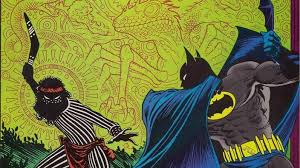
Let us completely dismantle the most dangerous piece of advice passed around by beginner comic creators regarding the mailing trick.
The poor man’s copyright myth relies on the belief that a government postmark proves the date of creation. However, courts and intellectual property offices universally reject this. A postmark only proves when an envelope arrived in the mail system, it does not prove what was actually inside the envelope at that time.
An artist could easily mail an unsealed envelope, wait three years, slip a new drawing inside, and falsely claim it was created earlier. You must invest real energy into official government registration and digital cloud backups instead of wasting your time on postage stamps.
Private Agreements and Brand Building for Indie Creators
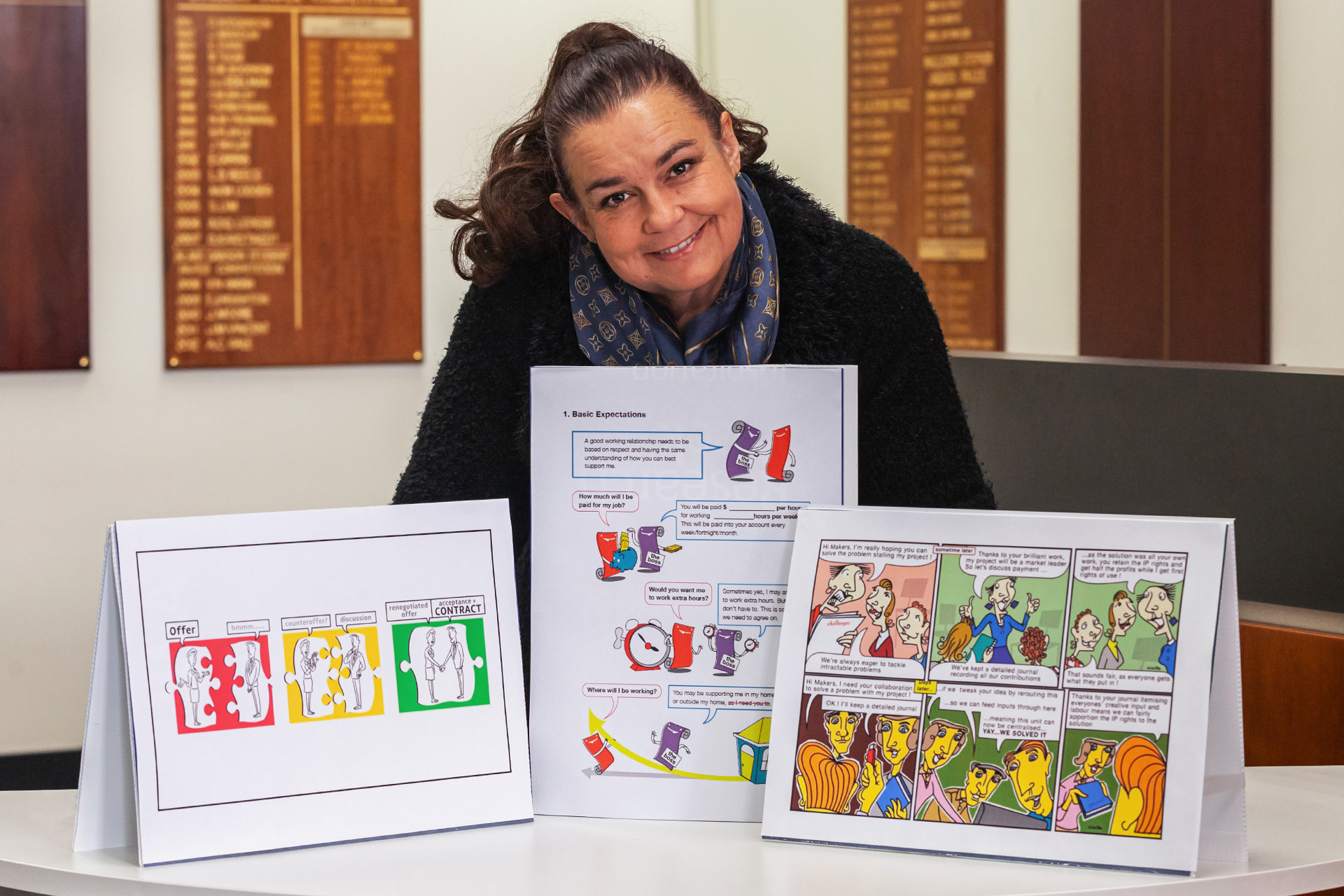
When you are collaborating with others or pitching to production studios, your legal strategy must shift from government registration to private brand building. Remember that protecting comic ideas in the early stages is more about documentation and Non-Disclosure Agreements than filing a form for the idea itself.
A title of a single standalone graphic novel usually cannot be trademarked by the government. To successfully execute how to trademark a graphic novel title, the product must become an ongoing series and develop brand-like recognition in the market. You must publish at least two issues under the same banner to prove that it is a recurring brand. Once you secure this, you will stop worrying about competitors using your series name and can focus purely on creating amazing art.
Q&A
Can I legally protect a character’s specific superpower or fighting style?
No, you cannot protect a functional ability, a superpower, or a general fighting style. For example, you cannot claim ownership over the idea of shooting lasers from the eyes or possessing super strength. However, you can protect the specific visual expression of that power, such as the exact unique design of your character’s laser beams or the specific original costume they wear while fighting.
Do I need to hire an expensive IP lawyer just to register my first indie comic book?
Not necessarily. For basic registration of a comic book or a manuscript, the process is usually straightforward and can be done online through your national government’s portal for a relatively low fee. You can handle this yourself without spending thousands of dollars on legal counsel.
At what point should I actually hire a lawyer for my comic?
If you are moving into complex commercial territory like dealing with international distribution, drafting a licensing contract with a major publisher, or fighting an infringement case hiring an IP lawyer is highly recommended. Professional legal advice ensures that your Copyright Comic Characters strategy is flawless and prevents costly mistakes that could strip you of your ownership rights over the universe you built.