Losing your job is a traumatic experience, and finding yourself in a situation where you believe you have been treated unjustly can be overwhelming. Many employees feel that filing an Unfair dismissal Australia claim is a straightforward path to justice, but the reality is that the legal framework is complex. Far too many potentially winning cases fail not because the employee was treated fairly, but because of avoidable procedural mistakes made during the filing process.
Understanding your rights is only half the battle; knowing how to navigate the Fair Work Commission’s requirements is the other half. Whether you are seeking reinstatement or financial compensation, the way you structure your application matters immensely. In this guide, we will break down the seven most common pitfalls that employees face and provide a clear roadmap to ensure your case is presented effectively.
Common Filing Mistakes That Can Weaken Your Unfair Dismissal Claim

When submitting an Unfair dismissal Australia claim, precision is key. Here are the errors that could derail your efforts.
1. Missing the 21-Day Application Deadline
The Fair Work Commission is notoriously strict regarding timelines. You have exactly 21 calendar days from the date your dismissal took effect to lodge your application. Missing this window even by a day without exceptional circumstances can result in your claim being dismissed immediately.
2. Filing an Application Without Meeting the Eligibility Requirements
Not every termination qualifies as “unfair.” You must be eligible, which generally involves having completed the minimum employment period (6 months for large businesses, 12 months for small businesses) and being covered by a modern award or enterprise agreement.
3. Submitting Incomplete Evidence to Support Your Claim
Do not rely on vague statements. You need concrete proof, such as your employment contract, termination letter, correspondence regarding performance issues, and any evidence of inconsistent treatment compared to other staff.
4. Ignoring the Fair Work Commission’s Procedures
The Commission operates under specific rules. Failing to attend scheduled conciliation conferences or ignoring correspondence from the Commission or your former employer can make you appear uncooperative, which significantly weakens your position.
5. Expecting an Unrealistic Compensation Outcome
Many employees enter the process thinking they are entitled to massive sums of money. Compensation in Australia is primarily designed to put you back in the position you would have been in had you not been dismissed. It is not a “punitive” system for emotional distress.
6. Representing Yourself Without Proper Preparation
While you do not need a lawyer, you do need to be prepared. If you cannot articulate your case or understand the relevant employment law, consider seeking advice from a union or an employment advocate.
7. Letting Emotions Influence Your Case Instead of Facts
The Fair Work Commission is a quasi-judicial body; it deals in evidence, not anger. While your frustration is valid, your application must remain professional, factual, and focused on why the dismissal was harsh, unjust, or unreasonable.
Understanding Unfair Dismissal Australia Before You File a Claim
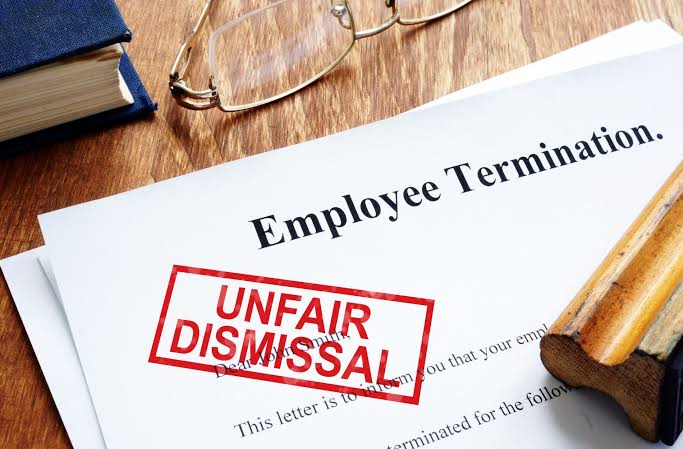
Before you commit to the legal process, you must understand what constitutes an unfair dismissal and your standing within the law.
What Is Unfair Dismissal Under Australian Employment Law
Unfair dismissal occurs when an employee is dismissed from their job in a way that is harsh, unjust, or unreasonable. It implies the reason for dismissal was not valid or that the process followed was procedurally unfair.
Who Can Lodge an Unfair Dismissal Application
You can lodge an Unfair dismissal application if you are an employee who has completed the minimum employment period and your dismissal was not a case of genuine redundancy.
When a Dismissal Is Considered Fair Instead of Unfair
A dismissal is considered fair if the employer can prove there was a valid reason (e.g., performance or conduct) and they provided procedural fairness, such as giving you an opportunity to respond to the allegations before the final decision was made.
How Unfair Dismissal Fair Work Australia Claims Are Processed
The Unfair dismissal Fair Work Australia system is designed to encourage resolution without a full trial.
The Role of the Fair Work Commission
The Commission acts as an independent umpire. They manage the process from the initial filing to the final determination, ensuring that both parties have a chance to be heard.
What Happens During Conciliation
Most cases go to conciliation, which is a private, confidential discussion facilitated by a conciliator. This is your best chance to settle the matter quickly, often resulting in a financial payment or a mutually agreed-upon reference.
What to Expect If Your Case Proceeds to a Hearing
If conciliation fails, the matter goes to a formal hearing. Here, a Commission Member will hear evidence from both sides and make a binding decision based on employment law.
Understanding Unfair Dismissal Payout Australia and Possible Outcomes

The ultimate goal for many is an Unfair dismissal payout Australia recovery, but you must know how it is calculated.
How Compensation Is Calculated
Compensation is determined by the financial loss you suffered. The Commission looks at the wages you would have earned had you remained employed, minus any income you have earned since the dismissal or could have earned elsewhere.
Reinstatement vs Financial Compensation
Reinstatement is the primary remedy, meaning you get your job back with back-pay. If that is not practicable due to a breakdown in the employment relationship, the Commission may award financial compensation instead.
Factors That May Affect Your Final Payout
Factors include your length of service, your efforts to find new work, and whether you contributed to your own dismissal through poor conduct.
Special Considerations for Unfair Dismissal South Australia Cases
If you are working in Unfair dismissal South Australia territory, there are nuances to consider regarding state-based laws versus federal laws.
Do South Australian Employees Follow Different Rules?
Some state-system employees in South Australia fall under the South Australian Employment Tribunal (SAET) rather than the federal Fair Work Commission. Always verify whether your employer is a “national system employer.”
Common Workplace Disputes in South Australia
Common issues include disputes over contract interpretation and local award conditions that may differ from national standards.
Where to Find Additional Employment Support
If you are in South Australia, organizations like Business SA or local community legal centers can provide region-specific guidance for your employment situation.
Is an Unfair Dismissal Claim Worth Pursuing
Deciding if an Unfair dismissal is it worth it requires a cold, hard look at the facts.
Situations Where Filing a Claim Makes Sense
It makes sense if you have clear evidence of procedural unfairness, you were not given a chance to defend yourself, and you have suffered measurable financial loss.
When It May Be Better to Seek Another Resolution
If you resigned voluntarily or the dismissal was a genuine redundancy for a legitimate business reason, your chances of success are low.
Practical Tips Before Making Your Final Decision
Seek early legal advice, calculate your potential financial recovery, and consider the emotional toll a prolonged legal battle may take on you.
Test Your Knowledge with an Unfair Dismissal Quiz
Are you ready to handle your claim? Take this brief Unfair dismissal quiz to check your readiness.
Five Questions to Check Your Understanding
- Do you have a valid reason for the claim?
- Did you lodge within 21 days?
- Was your employer a national system employer?
- Do you have evidence of procedural unfairness?
- Did you try to resolve the issue before filing?
Common Answers Employees Get Wrong
Many employees assume “I was fired while sick” means it is automatically unfair. However, if your employer followed the correct process and the dismissal was for a valid reason unrelated to your illness, it may still be fair.
What to Do If You Still Have Questions
If you are still unsure, do not guess. Contact the Fair Work Ombudsman or a legal professional who specializes in Australian employment law to ensure you are on the right path.
Q&A
What is unfair dismissal in Australia?
It is a termination of employment that is found to be harsh, unjust, or unreasonable, often because the employer failed to provide procedural fairness or did not have a valid reason for the dismissal.
What are 5 fair reasons for dismissal?
Common fair reasons include serious misconduct, repeated poor performance despite warnings, incapacity to perform the role, genuine redundancy, or illegal activities that make employment impossible.
How much do you get paid for unfair dismissal in Australia?
There is no fixed amount. The payout is determined by the financial loss you suffered due to the dismissal, capped at a maximum of six months’ pay, and adjusted for your duty to mitigate your loss by looking for new work.