Embarking on the journey to bring your fiancé(e) to the United States is an exciting milestone, but it is no secret that the K1 visa process 2026 is a complex path filled with bureaucratic hurdles. Whether you are navigating the initial filing with USCIS or preparing for the final consular interview, staying informed is your greatest asset. With immigration policies constantly evolving, couples must be diligent, organized, and patient as they gather evidence of their bona fide relationship and prepare for the long road ahead.
This guide aims to demystify the K1 visa process 2026, breaking down the requirements, providing clarity on current processing times, and offering tips to keep your application moving forward. If you are struggling with other financial stressors while planning your immigration journey, be sure to check out our practical advice on how to stop debt collectors calling boss to keep your peace of mind intact. Remember, while the path may seem daunting, thousands of couples successfully complete it every year by following the rules and staying proactive.
Immigration is a marathon, not a sprint. This article serves as your roadmap through the 2026 landscape, ensuring you understand exactly what to expect from the government, how to prepare your paperwork, and how to address common challenges. Let’s dive into the essential components of bringing your loved one home.
1. The Foundation: Understanding K1 Visa Requirements
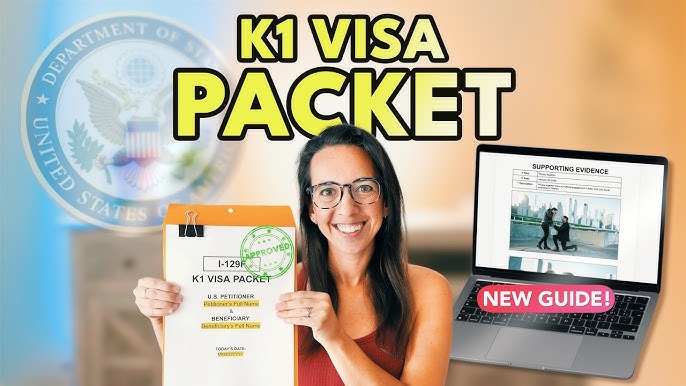
The K1 fiancé(e) visa is a nonimmigrant visa that allows an international fiancé(e) of a U.S. citizen to enter the United States for the sole purpose of marriage. Because this visa leads to permanent residence, the U.S. government maintains strict K1 visa requirements to prevent fraud.
You and Your Sponsor Must Be Legally Free to Marry
Before starting the K1 visa process 2026, both you and your fiancé(e) must be unmarried. If either of you has been married previously, you must provide legal documentation—such as a divorce decree or a death certificate—proving that your prior marriages have legally ended.
The Requirement for an In-Person Meeting
The “Two-Year Rule” is a cornerstone of the application. You must have physically met each other in person at least once within the two years immediately preceding the filing of your petition. Exceptions are rare and are usually granted only if the meeting would violate strictly established customs or result in extreme hardship for the U.S. citizen.
Financial Sufficiency and Support
The U.S. petitioner must demonstrate the ability to support their fiancé(e) at 100% of the Federal Poverty Guidelines. This ensures that the foreign national will not become a “public charge” upon arrival. You will eventually be required to submit Form I-134, Declaration of Financial Support, during the consular phase.
Intent to Marry Within 90 Days
The entire premise of the visa is the intent to marry. Once your fiancé(e) enters the U.S. on a K1 visa, the marriage must legally take place within 90 days. Failure to marry within this timeframe means your fiancé(e) must leave the country, as the K1 visa cannot be extended or adjusted into any other status.
Criminal History and Background Checks
Both the petitioner and the beneficiary will undergo rigorous background checks. The beneficiary must provide police certificates from every country where they have resided for more than six months since the age of 16. Any significant criminal history can lead to a visa denial unless a specific waiver is granted.
2. Navigating the Step-by-Step K1 Visa Application
The K1 visa application is a multi-phase procedure involving the U.S. Citizenship and Immigration Services (USCIS), the National Visa Center (NVC), and finally, the U.S. Embassy or Consulate in your fiancé(e)’s home country.
Phase 1: Filing the I-129F Petition with USCIS
The process begins with the U.S. citizen filing Form I-129F, Petition for Alien Fiancé(e). This packet includes evidence of your relationship—such as flight itineraries, hotel receipts, photos, and chat logs—to prove the relationship is legitimate.
Phase 2: NVC Processing and Transfer
Once USCIS approves your I-129F, they forward the case to the National Visa Center. The NVC performs initial processing, assigns a case number, and eventually forwards the petition to the U.S. Embassy or Consulate that has jurisdiction over where your fiancé(e) lives.
Phase 3: The Consular Phase and Medical Exam
Your fiancé(e) will be invited to apply for the actual visa. This involves submitting the DS-160, paying visa fees, and undergoing a mandatory medical examination by a government-approved physician to ensure they meet health standards for admission.
Phase 4: The Final Interview
The climax of the process is the consular interview. Your fiancé(e) will sit down with a consular officer who will verify the validity of the relationship and ensure the applicant is admissible to the U.S. If approved, the visa is issued, and your fiancé(e) is free to travel.
Phase 5: Entry and Marriage in the U.S.
After arrival, the clock starts. You have 90 days to host your wedding. Once married, the process does not end; you must then apply for an Adjustment of Status (AOS) to turn your fiancé(e)’s legal entry into a Green Card.
3. Realities of K1 Visa Processing Time 2026
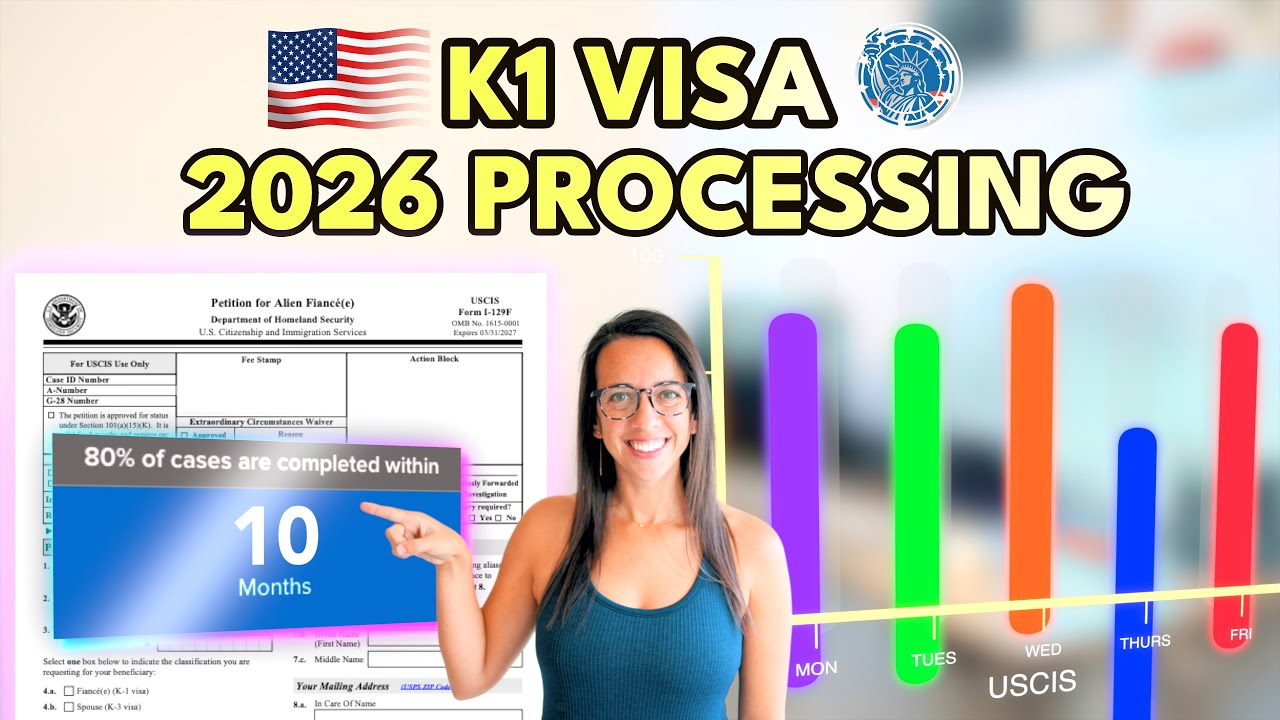
The question couples ask most frequently is, “How long does it take to get a fiance visa in 2026?” The answer is rarely a single number because the K1 visa processing time 2026 varies based on your service center, the embassy’s workload, and individual case complexity.
General Timeline Estimates
In 2026, most couples should prepare for a timeline ranging from 12 to 18 months from the initial filing of the I-129F to the final interview. While some applicants report faster turnarounds of 8 to 11 months, relying on these outliers is risky.
Why Delays Happen
- Request for Evidence (RFE): If your initial petition lacks sufficient evidence, USCIS will send an RFE, which halts your clock until you respond.
- Consular Backlogs: Embassies in high-traffic countries often face severe interview appointment backlogs, which can add months to your wait.
- Incomplete Documentation: Missing police records or errors on the DS-160 are common causes for significant processing delays at the consular stage.
Managing Expectations
The K1 visa process 2026 is notorious for long stretches of silence. It is important to remember that “no news” doesn’t necessarily mean “bad news.” Maintaining a well-organized file of all your correspondence with USCIS is key to staying calm during the quiet months.
4. Political Climate and Policy Updates
Many applicants worry about the stability of the system. A common question is, “Is the K-1 visa affected by Trump?” or other political shifts. While administrations change, the K1 visa remains a statutory program created by Congress, meaning it cannot be abolished by a single executive order.
How Policy Changes Impact Applicants
- Security Vetting: New administrations may increase the level of scrutiny during background checks, which can lead to longer processing times for certain nationalities.
- Prioritization: Government resources can be shifted. Sometimes, embassies may prioritize immigrant visas over nonimmigrant fiancé(e) visas, creating localized slowdowns.
- Administrative Processing: An increase in “Administrative Processing” the dreaded “deep dive” into an applicant’s history is often a result of shifts in consular directives rather than changes to the visa itself.
Staying Updated
Because immigration law is dense, never rely on rumors from social media. Always check the official U.S. Department of State website or consult with a qualified immigration attorney if you suspect a policy change is specifically impacting your case.
Q&A
Can my fiancé(e) work immediately upon arriving in the U.S.?
No, not immediately. A K1 visa holder cannot work the moment they arrive. They must wait until they file for Adjustment of Status (Green Card) and receive an Employment Authorization Document (EAD), or until their Green Card is officially approved. This can take several months, so be sure to plan your finances accordingly.
Is the K1 visa process 2026 more expensive than it used to be?
Yes, government filing fees for USCIS petitions are subject to periodic increases. Always check the official USCIS fee schedule on the date you intend to file. Factor in medical exams, travel to the embassy, and visa issuance fees, which are all separate costs.
What is the most common reason for a K1 visa denial?
Aside from missing criminal history or financial requirements, the most common reason for denial is “lack of bona fide relationship evidence.” If your paperwork doesn’t convincingly show you have a genuine relationship beyond just a few photos, the consular officer may doubt your intent to marry. Be as thorough as possible with your relationship evidence.